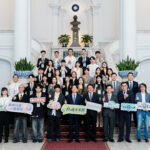

在亞洲協會的第二週見習和第一週截然不同。第一週,我們和二十幾位8-13歲的小孩子互動,看著他們淘氣的行為、聆聽他們稚嫩的發表。第二週,我們和十五位現職老師一同參與為期三天的師訓課程,主題是多元文化教育。從探索亞洲城開始,深化教學技巧,最後實際設計可以落實的教案。
第一天:探索社區
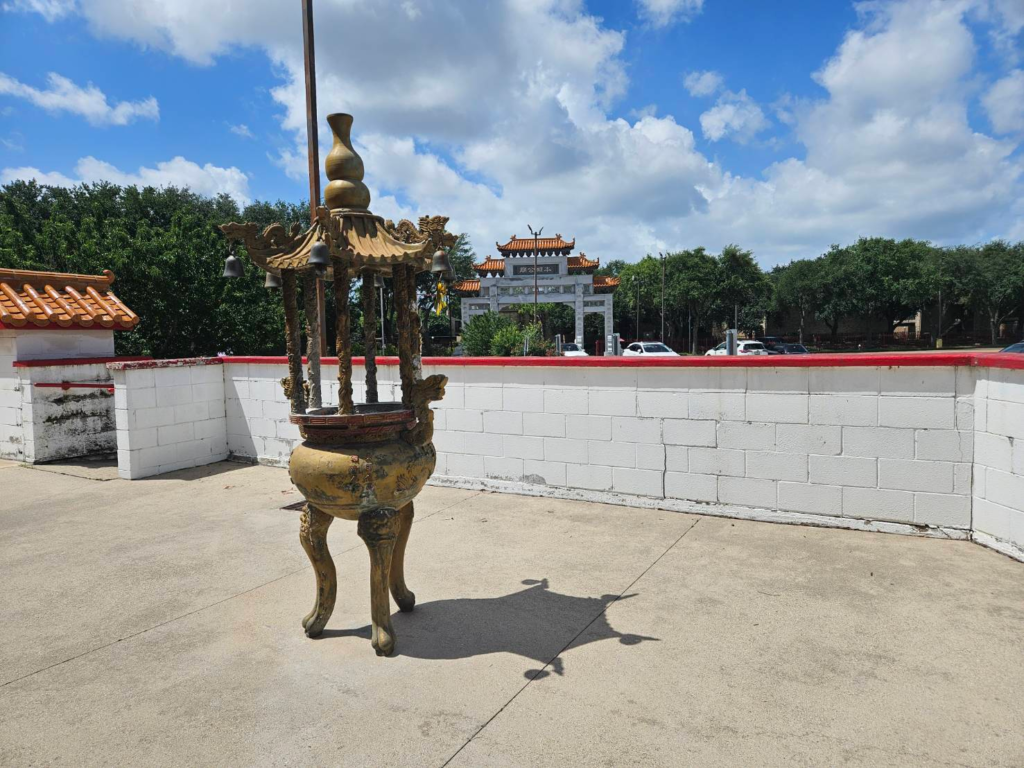
坐著遊覽車(老師們感嘆可惜不是休士頓常見的黃色校車),亞洲城的第一站我們先來到了本頭公廟。本頭公是潮汕、東南亞移民的重要信仰神祇,這裡也是中國潮州會館所在地,多次的美南潮州同鄉會多次在這邊舉辦活動,從牆上累計幾百張的泛黃相片可看出端倪。進到本頭公廟室內,能看見許多熟悉的台灣寺廟元素,例如香、筊杯、詩籤。大多數參訪老師都是第一次接觸華人文化,眼神顯露好奇與驚訝的情緒。接著我們進入兩側的廳堂,其中一間後方存放著一櫃又一櫃的舞龍舞獅道具,顏色千奇百怪,就連製造的國家也都不同。
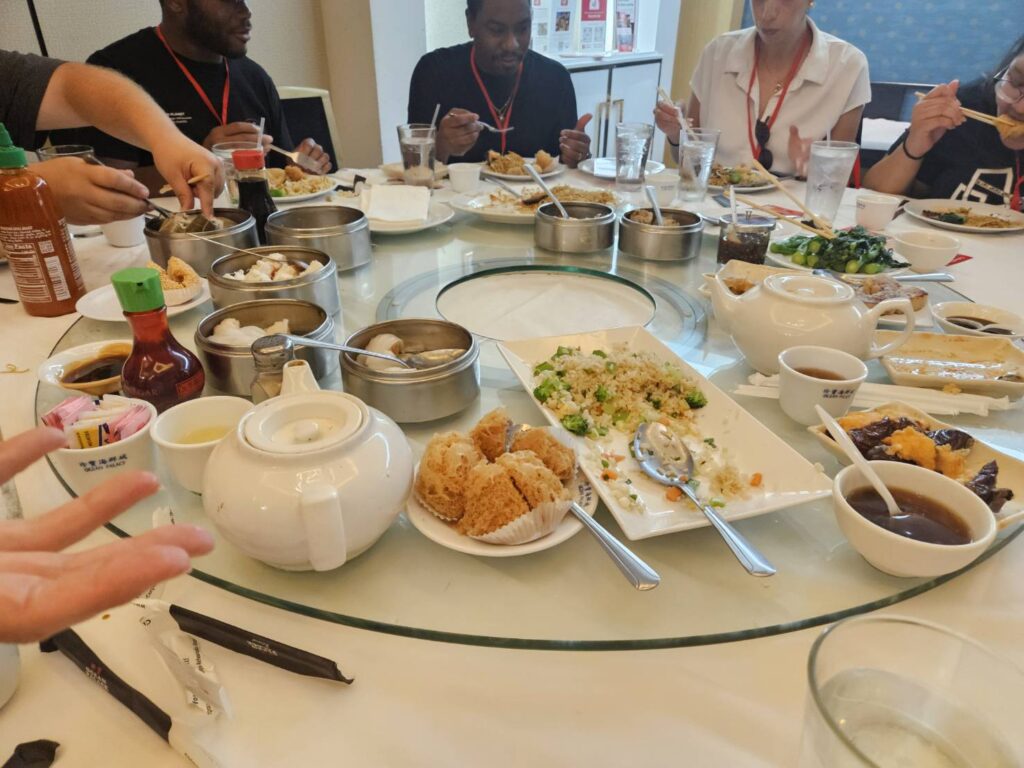
離開本頭公廟後,午餐時間我們到了香港城購物中心的珍寶海鮮樓享用港式點心。難得在美國可以和一群人坐圓桌,也因此能夠享用蒸、煎、煮、炸各式烹調的美食,鹹的甜的都吃得很盡興。印象深刻的有鮮蝦滑腸粉、荷香糯米雞、豉汁蒸鳳爪,連從未嘗試過這類食物的老師都讚不絕口。用畢港點後,我們逛了購物中心的一些特色店家。除了香港道地的店家之外,不少東南亞相關的小店。我們也進入超市購物,裡頭陳列了許多在美國大型超市看不見的食材。
教師增能學習的第一天行程其實完全在我預料之外。台灣一般的研習都是在冷氣房裡,或是進入班級觀課,幾乎不會有探索社區的行程。我想,深入認識教學地所在的城市各個角落,對於落實多元文化教學、了解學生成長背景確實是很有幫助的。這讓我開始思考台灣的教師增能學習是否能有不一樣的可能。
第二天:深化教學技巧
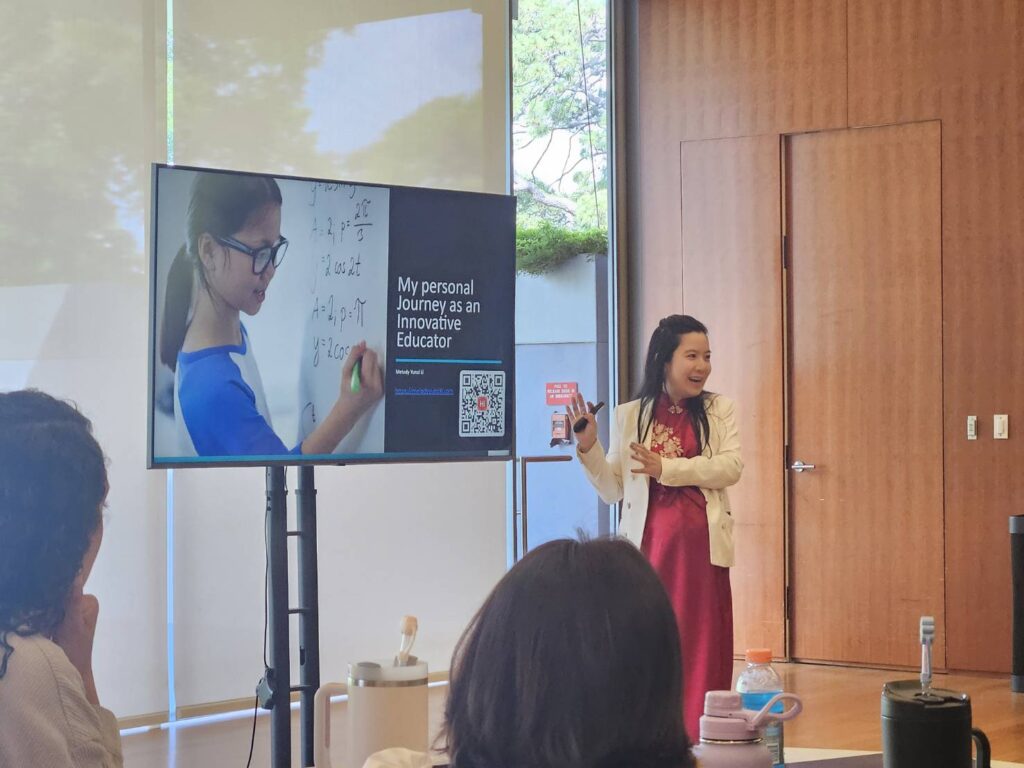
第二天上午工作坊由休士頓大學古典與現代語文學系教授Melody Li分享她的各個科技融入教學經驗。一開始Melody Li教授和在場老師們聊了當老師的初衷、心得、經驗,然後講述她是怎麼安排設計她開的課。這個部分和我在師培階段修習到內容很能呼應,包含課發的OAI (Objectives, Assessments, Instructions)倒序設計、教材教法老師促使我們思考的lesson plan, course plan, units, chapters, week等課程要素的關係。Melody Li教授接著介紹她替學生設計的多元評量,與其讓學生完成有侷限性的紙筆測驗,教授鼓勵她的學生在「開放教育資源」網站創造新的內容,讓學生從知識的被動接受者轉化成主動傳遞者。教授還提到和台灣師大合作的虛擬城市設計課程,使用了免費的應用程式Spatial,使學生可以使用手機打造一座城市,在過程中反思城市建構的要素。
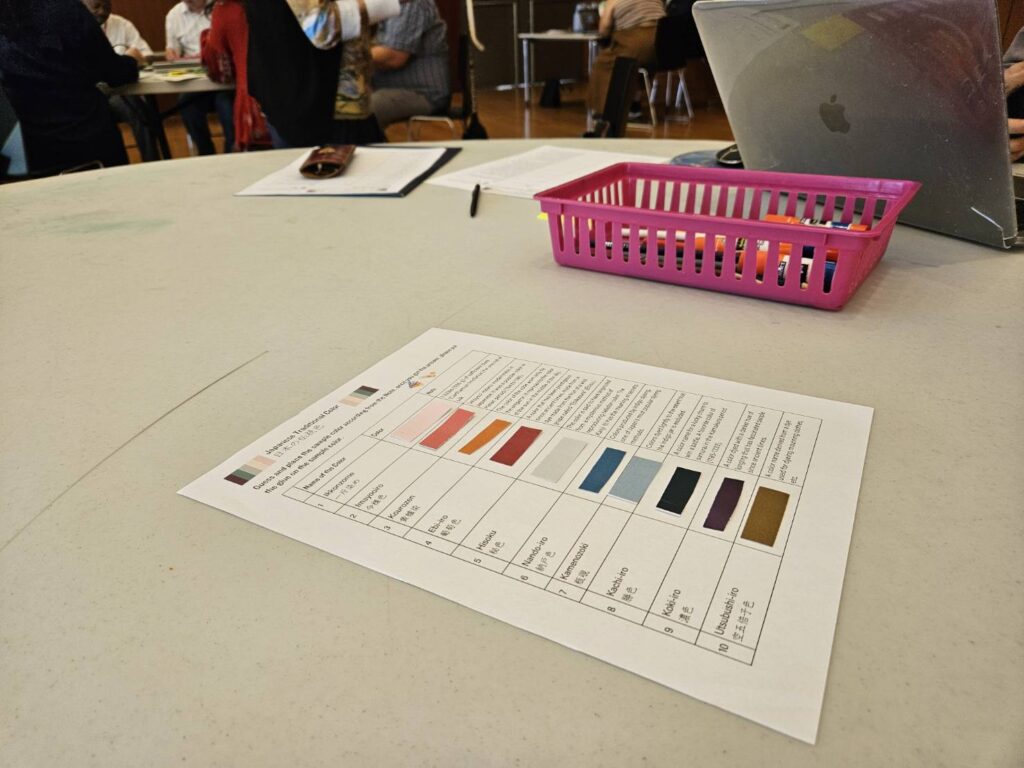
第二天下午工作坊由亞洲協會德州中心前專員Nina Shimaguchi帶來日本手工藝品的手作課程。Nina先用世界地圖來介紹日本,點出比較日本和德州的大小可以讓學生有具體的感受。接著分別介紹和服和摺紙藝術,Nina以有趣的顏色配對活動搭建了我們對於日文顏色的先備知識,老師們能在後續的實際操作思考顏色的搭配邏輯。
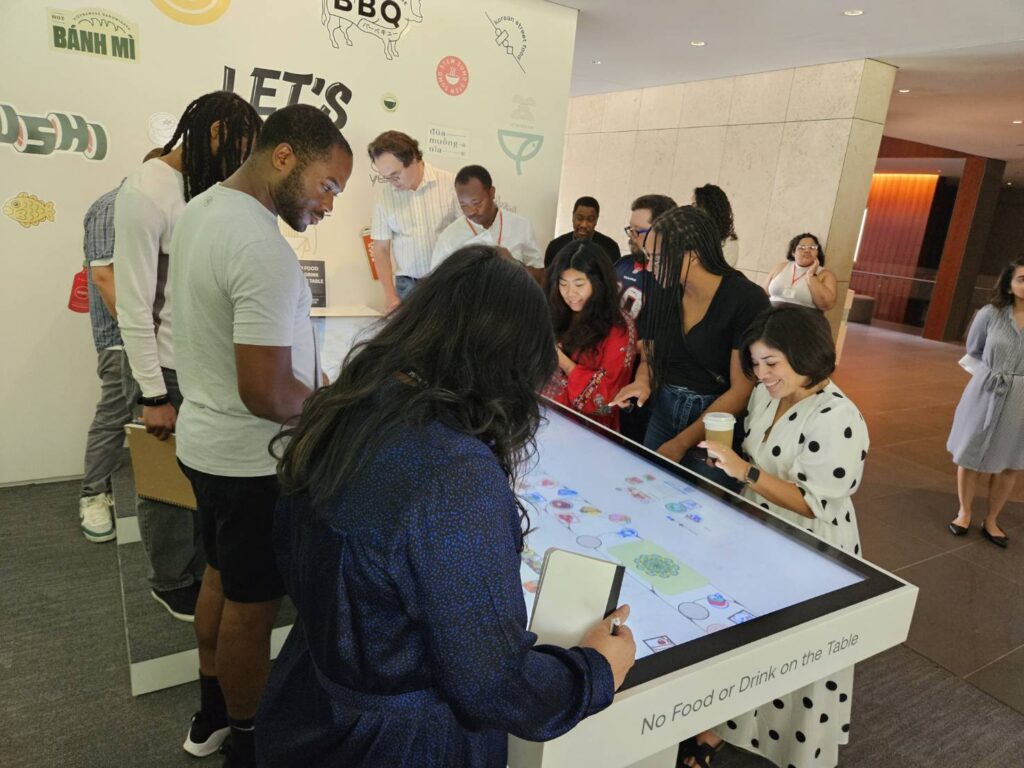
老師們在第二天結束前參觀亞洲協會的展覽,其中一個站點是互動式的休士頓亞洲飲食介紹。參觀者可以在螢幕的食物輸送帶上挑選自己有興趣的食物並移動到自己的餐盤上,接著可以點選該食物了解這項食物的文化背景、食材原料、烹調方式、休士頓何處有販賣。我覺得最後一項資訊非常重要,能夠提供知識落地的機會,將所學連結現實世界生活。
第三天:從觀點到實踐
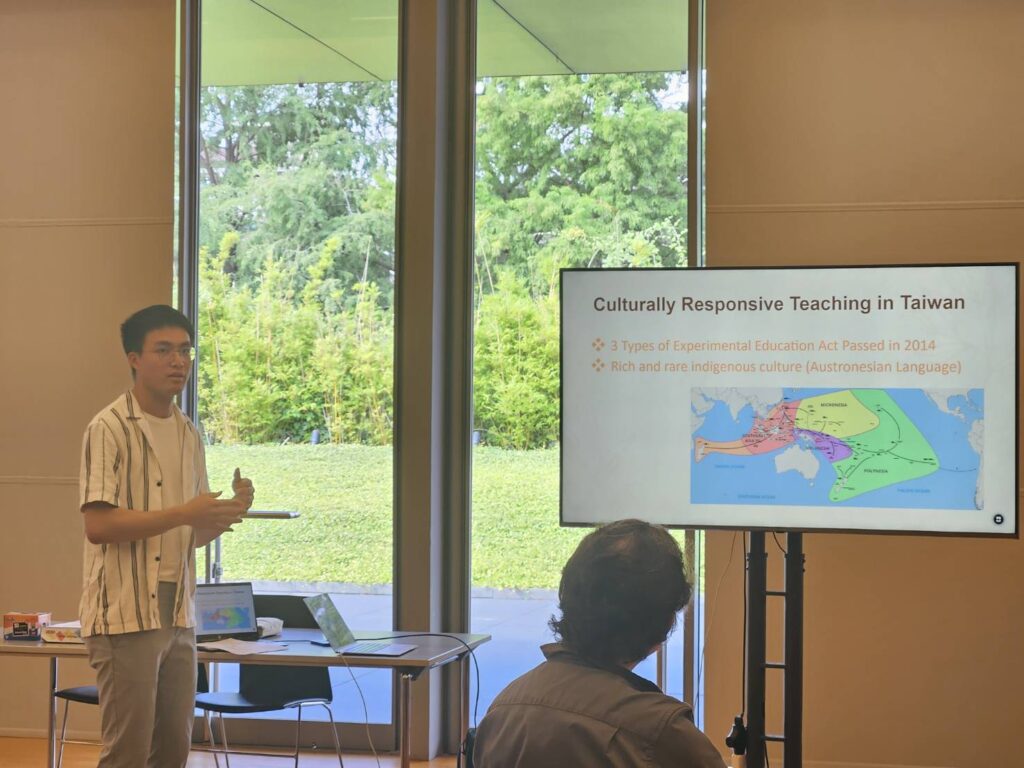
第三天早上便由我和另一位夥伴登場。我們事前和亞洲協會工作同事討論了一陣子,什麼樣的內容才是對現職老師有用、帶得走的,又可以結合我們來自台灣的背景。於是,我們將分享主題定作「開箱台灣」,前半部分介紹台灣的教育制度、多元文化教育,後半分享一個盛裝「讓我們回想起台灣」的盒子並且讓老師們思考關於自己家鄉的盒子是何等模樣。前半我一路從台灣各個學習階段、升學考試等談起,讓老師組內討論台灣和美國教育的異同,也以兩年前和教程學會參訪阿里山國中小的經驗分享原住民實驗教育、文化回應式教學。另一位夥伴在後半的分享中讓老師一一聞了明星花露水、爽身粉、紅包的味道,邀請老師在紙上畫出屬於自己的記憶箱子。
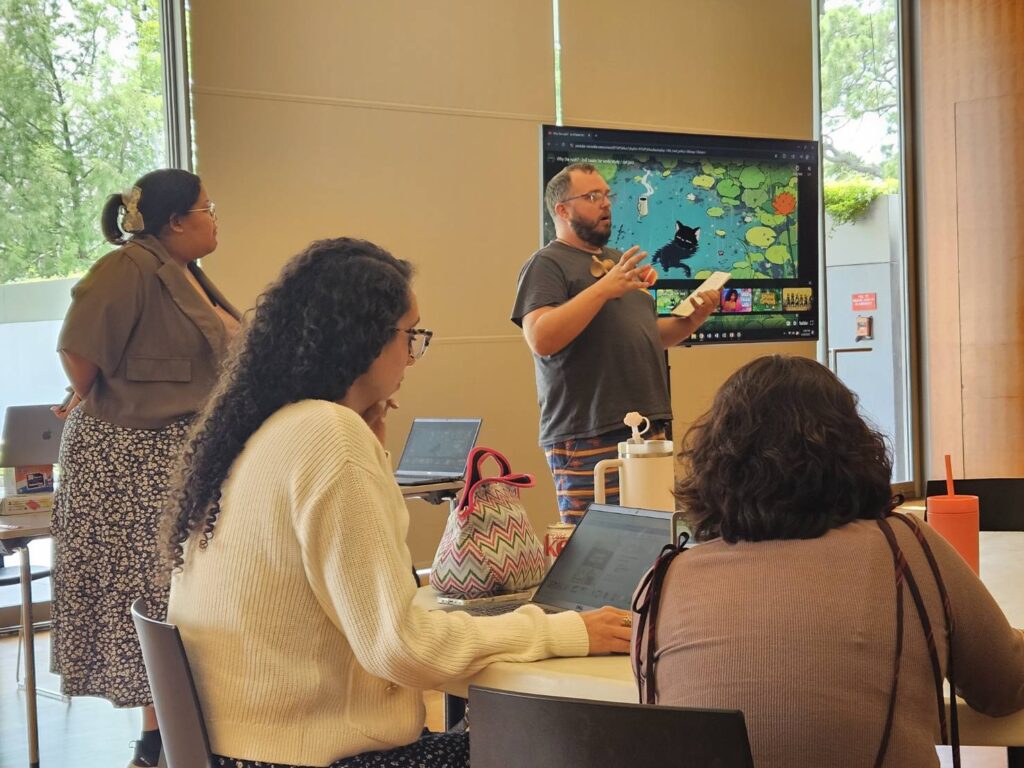
在緊湊的三日增能學習,老師們還要設計出一套下個學期能夠落實的教案,對準德州重點知識與技能(類似台灣課綱的學習重點)。亞洲協會後續還會追蹤老師繳交教案初稿、二稿、最終稿的狀態,完全讓我夢回兩年前的史懷哲營,甚至懷念。
這是亞洲協會第一次舉辦給老師的增能學習。在豐富多元的體驗中,我們也觀察到了可以改進的部分:首日探索社區的導遊可提供多一些引導提問,才不會流於走馬看花;各個工作坊之間的主題應再聚焦,針對文化回應式教學的實際內涵也較少著墨;教師的課程設計應註明從增能學習的哪個環節獲得啟發,這樣才可看出應用所學之處。無論如何,運用暑假時光認真進修的老師和對文化交流盡心盡力的亞洲協會已經跨出了對話的第一步,期待持續耕耘後在學校教育現場產生的影響!
Day 11 June 19 Summer Institute on Multiculturalism for Educators
The second week at Asia Society was very different from the first. During the first week, we interacted with two dozen children aged 8-13, watching their mischievous behaviors and listening to their tender voices. In the second week, we participated in a three-day teacher training program with 15 current teachers on the topic of multicultural education. Starting from exploring the Asian city, we deepened our teaching skills and finally designed practical lesson plans.
Day 1: Exploring Our Community
Riding in the tour bus (the teachers lamented that it was not the usual yellow school buses in Houston), our first stop in Asia Town was the Teo Chew Temple. This temple is an important deity for immigrants from Teochew and Southeast Asia, and it is also the location of the Chinese Teochew Association, where the South American Teochew Clansmen’s Association has hosted many events, as evidenced by the hundreds of yellowed photographs on the walls. Inside the temple, many familiar elements of Taiwanese temples can be seen, such as incense, oracle cups, and poem tags. Most of the teachers were new to Chinese culture and their eyes showed a sense of curiosity and surprise. We then entered two halls on either side of the building, behind one of which were cabinets and cabinets of dragon and lion dance props in a variety of colors and made in different countries.
After leaving the temple, we went to Ocean Palace Restaurant in the Hong Kong City Mall for lunch and enjoyed Hong Kong dim sum. It’s rare to be able to sit at a round table with a group of people in the U.S., so we were able to enjoy a variety of steamed, pan-fried, boiled, and deep-fried dishes, savory and sweet, all of which we enjoyed to the fullest. I was impressed by Rice Noodle Roll with Shrimp, Sticky Rice with Meat in Lotus Leaf, and Chicken Feet with Black Bean Sauce, which even those teachers, who had never tried this kind of food before, praised. After the Hong Kong dim sum, we browsed through some of the specialty stores in the shopping center. Apart from the local stores, there were many small stores related to Southeast Asia. We also shopped in the supermarket, which displayed many ingredients that you would not find in a large supermarket in the United States.
The first day of the Summer Institute on Multiculturalism for Educators was not what I had expected. Typically in Taiwan, we stay in an air-conditioned room or enter a classroom observing a lesson. We hardly ever get to explore the community. I think that getting to know the different corners of the city in which the teaching place is located will be very helpful in implementing multicultural teaching and understanding the backgrounds of students’ growth. This made me think about whether there are different possibilities for teacher enrichment in Taiwan.
Day 2: Deepening Pedagogy & Practice
In the morning of the second day, Melody Li, a professor in the Department of Classical and Modern Languages and Literatures at the University of Houston, shared her experience in integrating various technologies into her teaching. At the beginning, Prof. Melody Li talked to the teachers about her initial thoughts and experiences as a teacher, and then explained how she organized and designed her classes. This part of the presentation was very much in line with what I had learned during my teacher training, including the OAI (Objectives, Assessments, Instructions) reverse-order design of the lesson, the lesson plan, course plan, units, chapters, week, and other elements of the curriculum that the textbook teacher prompted us to think about, and the relationship between them. Professor Melody Li then introduced the multiple assessments she designed for her students. Instead of having students complete limited paper and pencil tests, Professor Li encouraged her students to create new content on the Open Educational Resources (OER) website so that students could move from being passive recipients of knowledge to active transmitters. The professor also mentioned the virtual city design course with Taiwan Normal University, which uses the free application Spatial to enable students to build a city using their cell phones and reflect on the elements of city building in the process.
On the second afternoon, Nina Shimaguchi, former coordinator of the Asia Society Texas Center, presented a Japanese crafts class, introducing Japan with a world map and pointing out the size of Japan compared to Texas to give the students a concrete feeling. Nina then introduced kimono and origami art respectively. Nina used a fun color matching activity to build up our prior knowledge of Japanese colors, so that teachers could think about the logic of color matching in the subsequent hands-on activities.
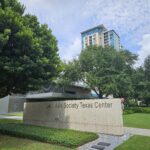
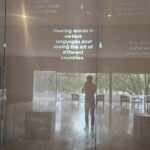
One of the stops at the end of the second day when the teachers visited the Asia Society exhibit was an interactive introduction to Asian food in Houston. Visitors were able to pick a food item of interest from the on-screen food conveyor and move it to their plate, then click on it to learn more about the cultural background of the food, what it is made from, how it is prepared, and where it is sold in Houston. I think this last piece of information is very important, as it provides an opportunity to put knowledge into practice and connect what we have learned to real-world life.
Day 3: From Insight to Implementation
In the morning of the third day, another partner and I took the stage. We discussed with our colleagues at the Asia Society for a while beforehand what kind of content would be useful and useful for current teachers to take with them, and what would be relevant to our backgrounds as teachers from Taiwan. So we decided on the theme of “Taiwan Unboxed”, where we introduced Taiwan’s education system and multicultural education in the first half of the program, and in the second half, we shared a box that reminds us of Taiwan and asked teachers to think about what their own box would look like in their hometowns. In the first half, I talked about the various stages of learning in Taiwan, college entrance exams, etc., and had the teachers discuss the similarities and differences between education in Taiwan and the U.S. I also shared the experience of visiting Alishan Elementary and Middle School two years ago with the student association of teacher education program about experimental education for aborigines and culturally responsive teaching. In the second half of the sharing session, another partner allowed teachers to smell star flower water, talcum powder, and red packets, and invited them to draw their own memory boxes on paper.
During the three days of intensive enrichment, the teachers had to design a set of lesson plans that could be implemented in the next semester, focusing on the key knowledge and skills of Texas (similar to the learning points in the Taiwan syllabus). Asia Society will continue to track the status of the first, second, and final drafts of the lesson plans, and it totally took me back to the Schweitzer Camp two years ago, even nostalgic.
This was the first time that the Asia Society organized an enrichment program for teachers. In the midst of the rich and diverse experience, we also observed some areas for improvement: the first day’s guided tour of the Discovery Community could have provided more guiding questions so as not to be superficial; the themes of the workshops should have been more focused, and there was less focus on the actual content of culturally responsive teaching; and the teachers’ curriculum should have been designed to specify what part of the enrichment learning was inspired by, so as to show the application of what was learned. In any case, the teachers who spent their summer vacation studying hard and the Asian Association, which is dedicated to cultural exchange, have taken the first step toward a dialogue, and we look forward to the impact that their continued efforts will have on the school education scene!